Why Are Most Cruise Ships Registered In The Bahamas

Why Are Cruise Ships Registered In Foreign Countries
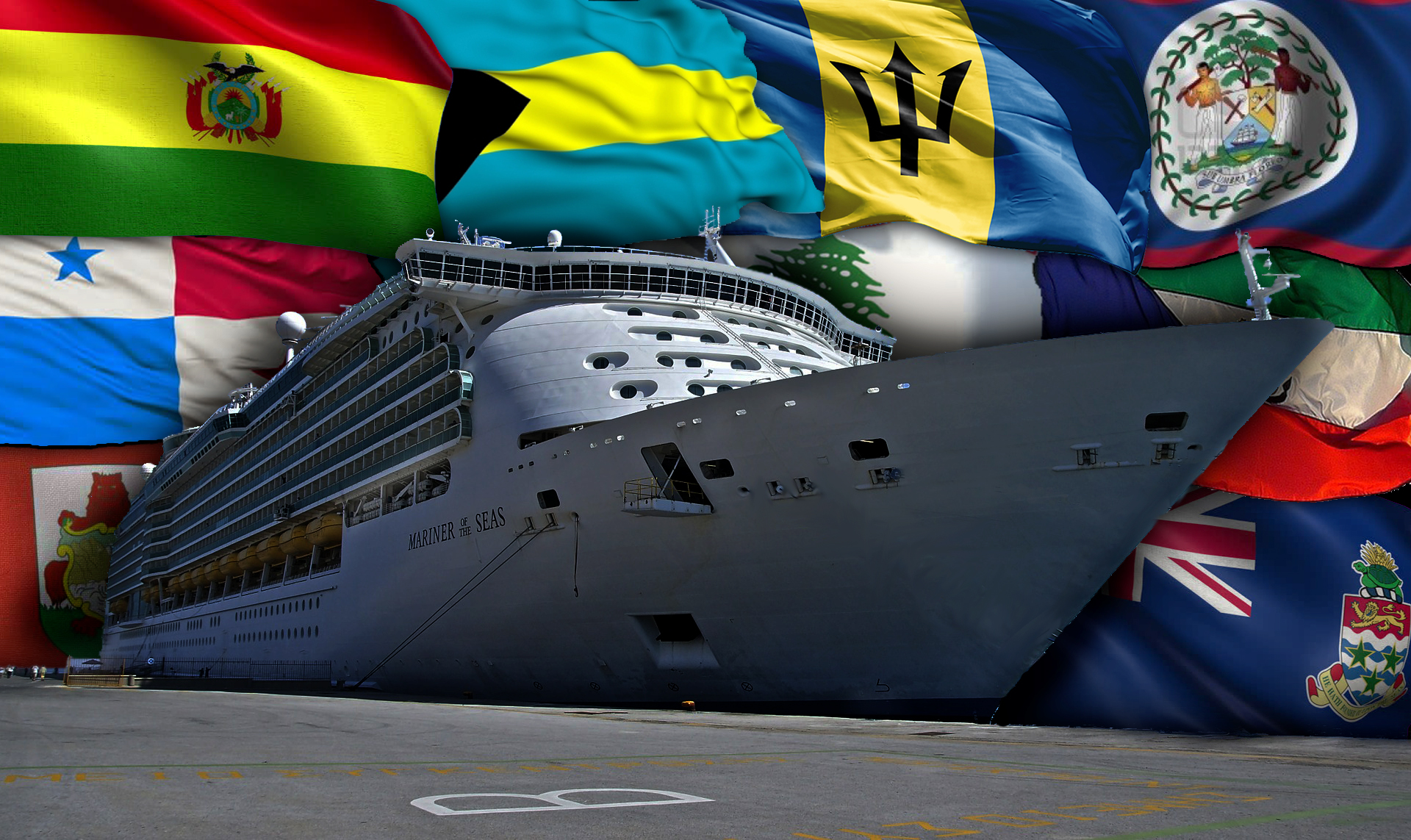
Why Cruise Ships Fly Flags Of Convenience
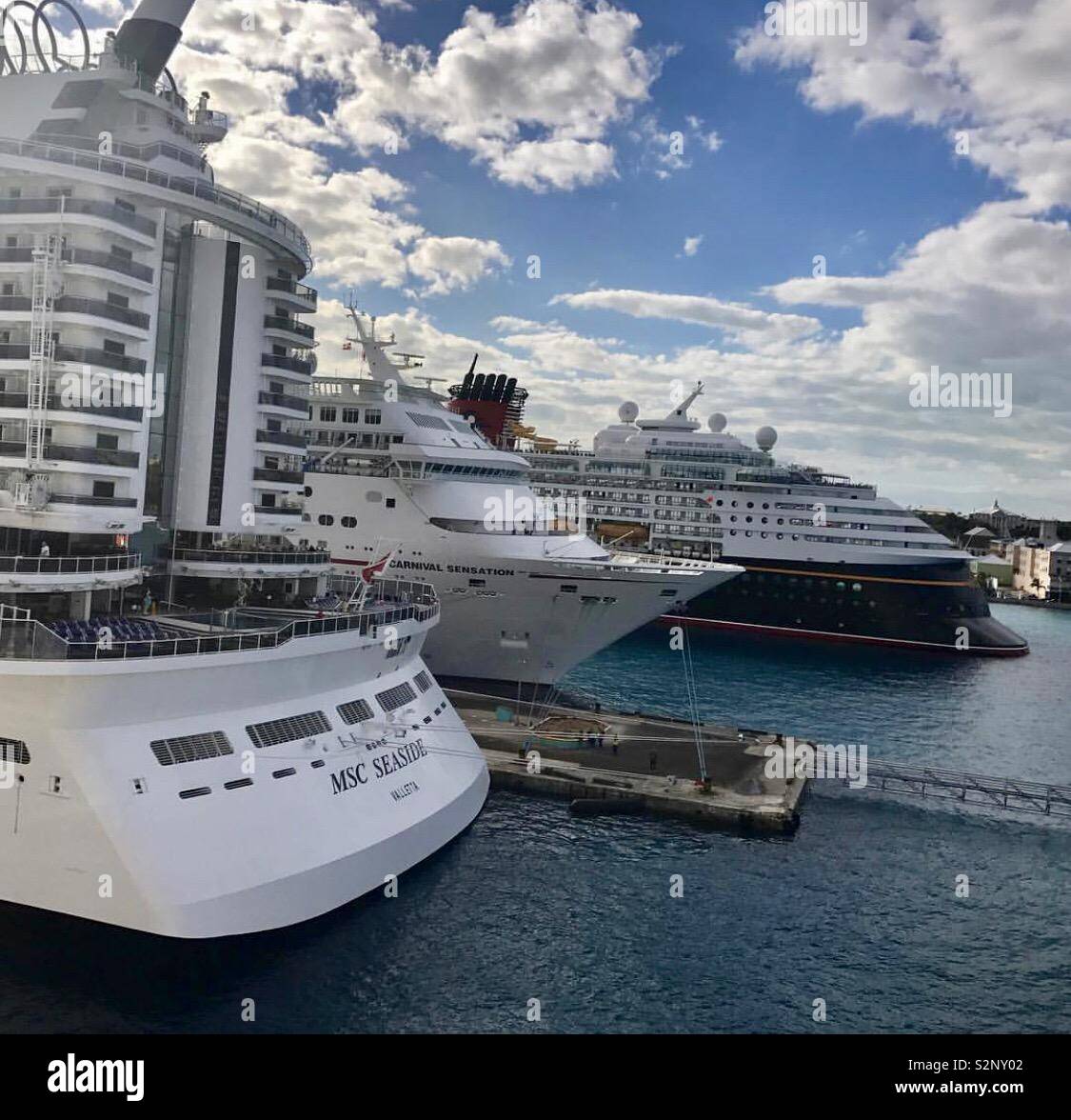
Cruise Ships Docked At Nassau Bahamas Stock Photo Alamy

The World S Largest Cruise Ship Is Like A Floating Island Biggest Cruise Ship Msc Cruises Best Cruise Ships

Adventure Of The Seas 137 000 Tonn 3 100 Farthega I Ahofn 1 200 Skipverjar I Hofn 4 9 2014 3 9 2014 Reykjavik Cruise Liner Cruise Ship Passenger Ship
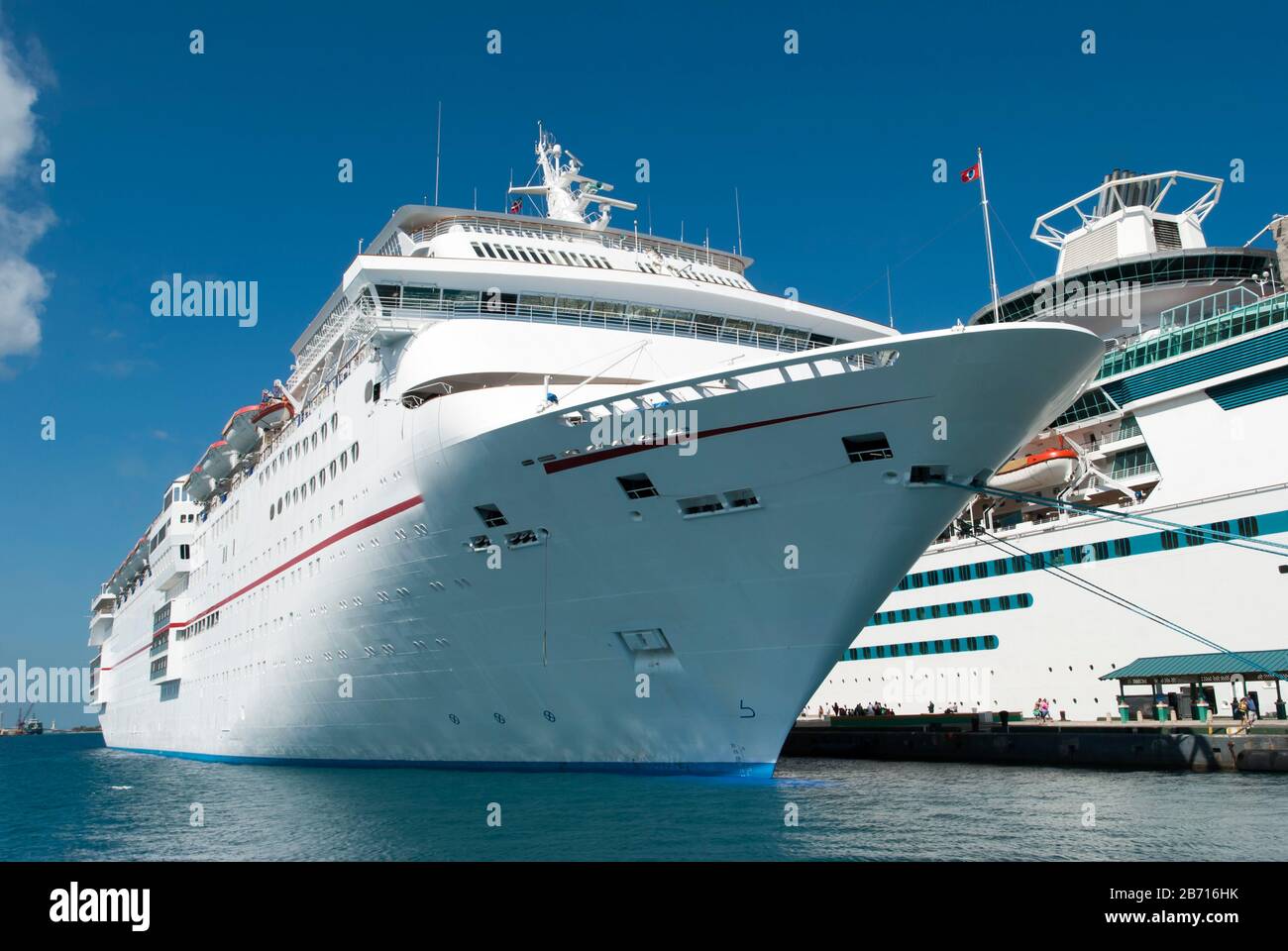
The Morning View Of Cruise Ships Moored In Nassau Bahamas Stock Photo Alamy

Representation and reputation of the flag in the international shipping community.
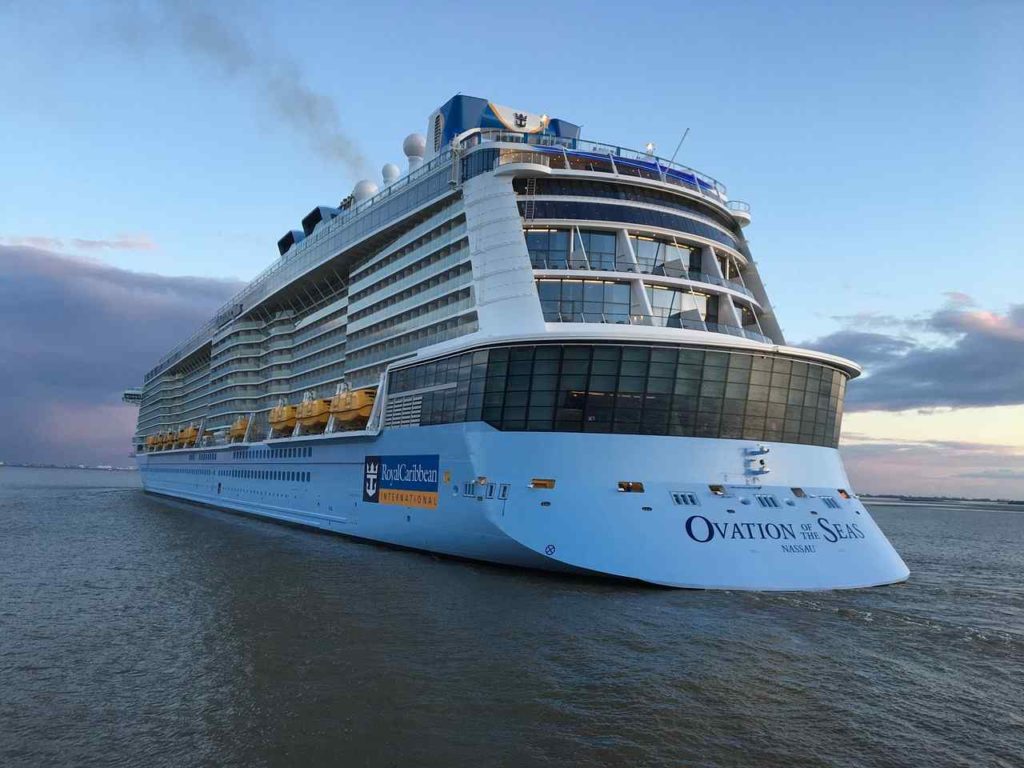
Why are most cruise ships registered in the bahamas. It is common for international shipping companies to fly flags of convenience and many cruise lines follow this model by registering ships in the Bahamas or Panama. 180 rows Bermudian Flag of Convenience and Cruise Weddings. The Bahamas has added an amendment to their emergency powers for the COVID-19 pandemic that will require all guests on cruise ships who are 12 years and older to be vaccinated.
The new amendment. Book a bahamas cruise with cruise direct. Things to do shore excursions highlights shopping restaurants map and basics.
This means they register in another country and adopt a flag of convenience and in the cruise industry the preferred flag is that of the Bahamas. Some of the main advantages of registering a vessel under the Bahamian flag are set out below-. Its reputation of quality and excellence.
Providing information about seafarers employment education and training certification sea-service documentation and manning issues. Cruise lines like Carnival Disney NCL and Royal Caribbean register many of their cruise ships in Nassau to avoid US. Carnival Cruise Lines started under Panamanian flag with its Mardi Gras in 1972 and has remained largely loyal.
The BMA welcomes all types of vessels to register whilst ensuring that the highest international standards are met. The Cruise Lines International Association explains the reason behind the fact that 90 of the cruise liners register their ships under a foreign flags due to the capabilities of the flag to deliver the services needed. In fact according to Cruise Lines International Association 90.
Tourist is robbed at gunpoint in downtown Nassau are often tasked with investigating crimes on Bahamian-flagged cruise ships. That falls to the countries where the ships are registered to which cruise customers provide needed tourism dollars. A ship registered in the us is governed by united states maritime law which specifies the wages that must be paid to crew the environmental safeguards that apply to waste.
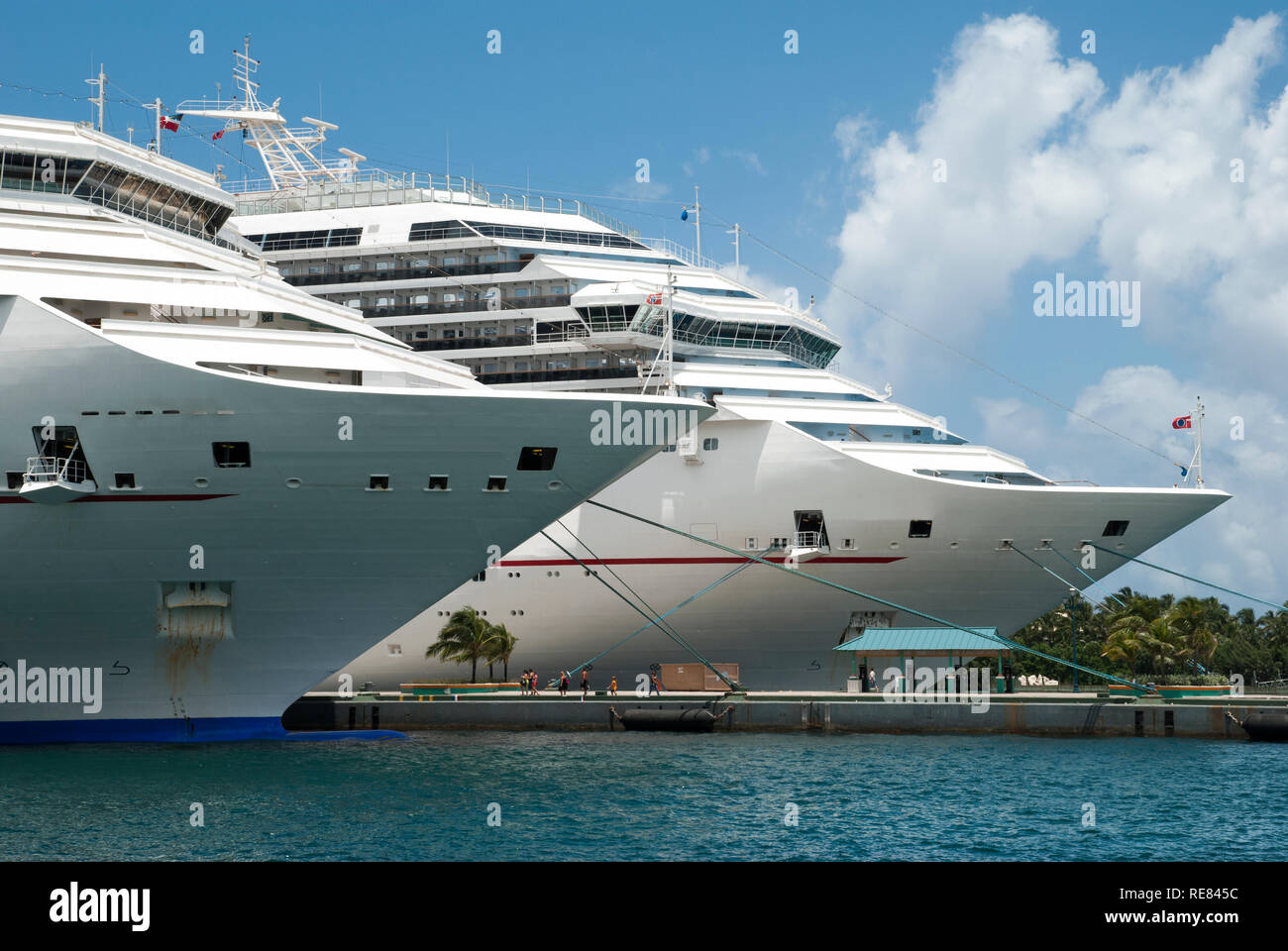
Cruise Ships Moored In Nassau Most Popular Vacation Destination In Caribbean Bahamas Stock Photo Alamy
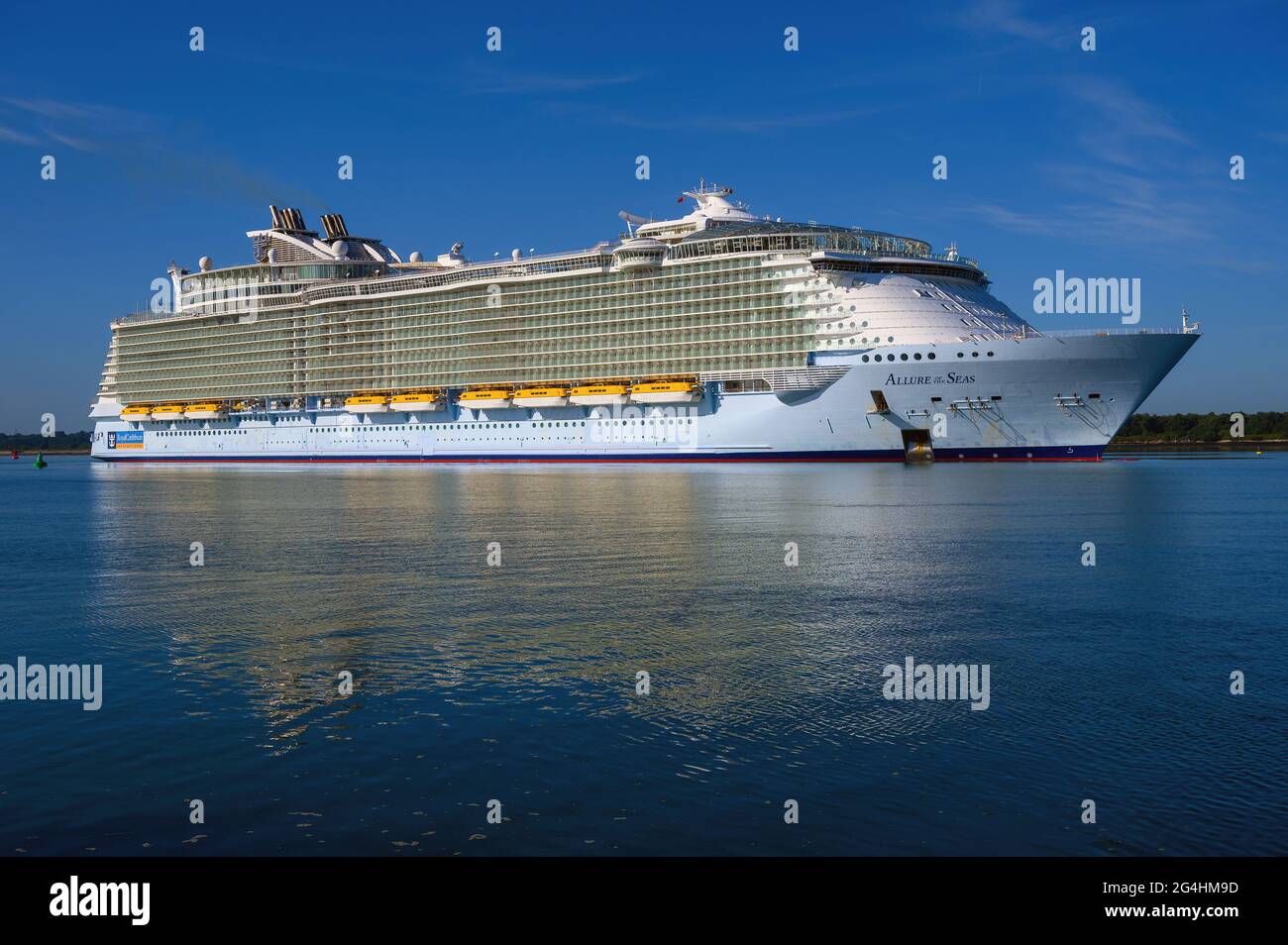
The Royal Caribbean International Cruise Ship Allure Of The Seas One Of The Largest Cruise Ships In The World Arrives At The Port Of Southampton For Stock Photo Alamy
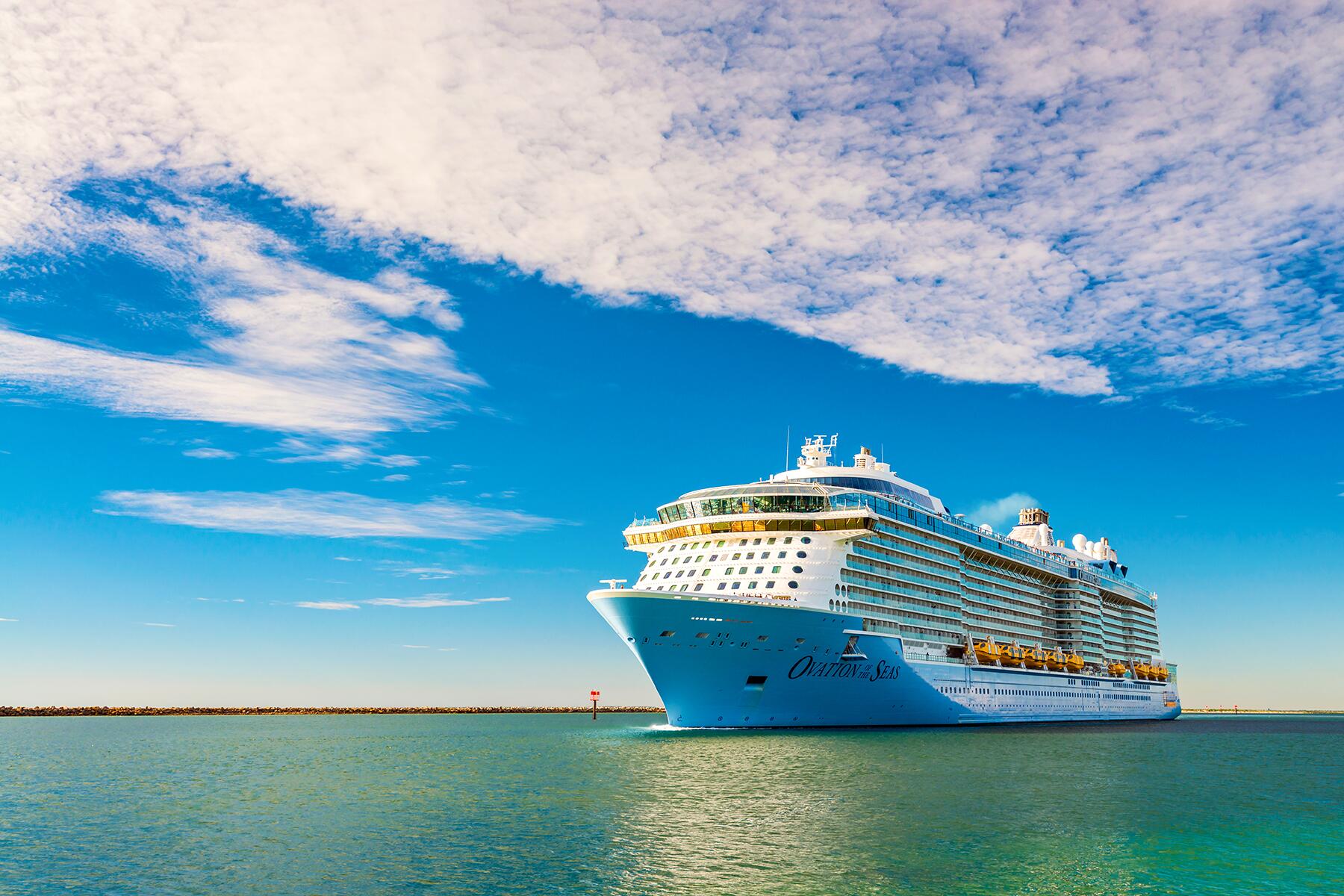
18 Reasons Why Traveling Onboard A Big Cruise Ship Is Better
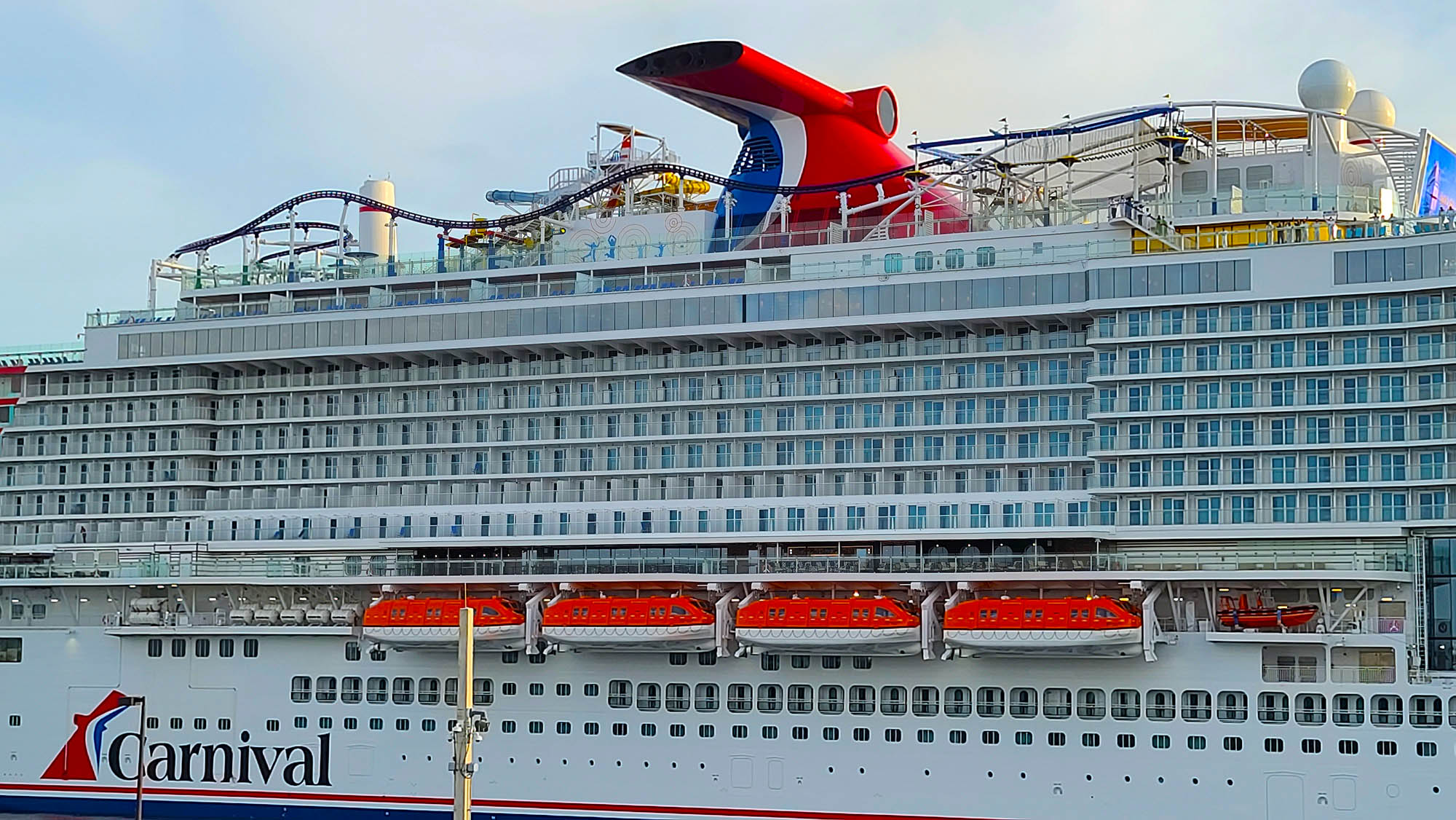
Carnival Cruise Line Visits Nassau For First Time Since Early 2020
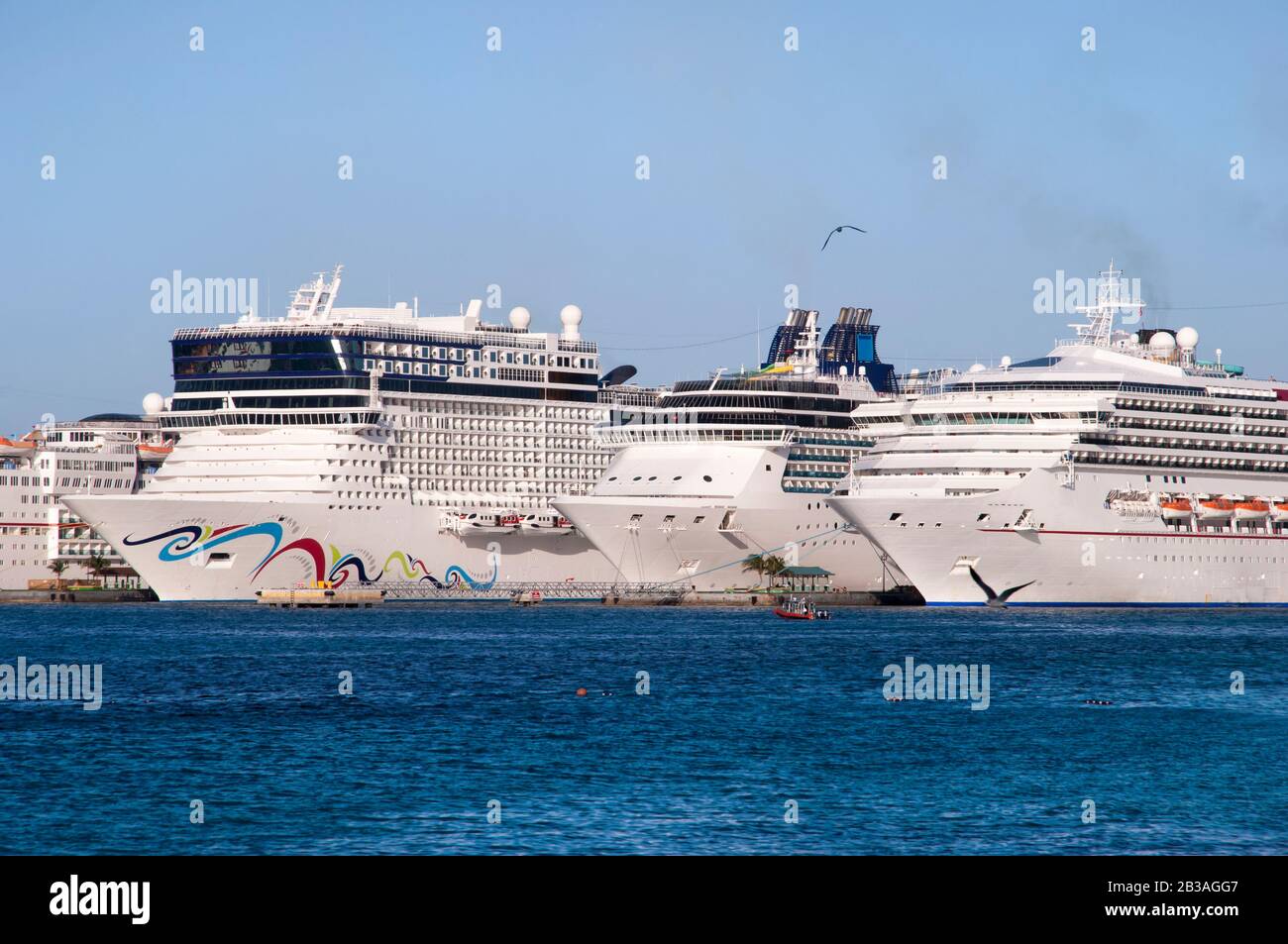
The Morning View Of The Row Of Cruise Ships Moored In Nassau Most Popular Port In Caribbean Bahamas Stock Photo Alamy
Top 10 Largest Cruise Ships

Restarting Cruises Has Been A Game Of Operational Whack A Mole The Japan Times

Launch Of Royal Caribbean International S Allure Of The Seas Biggest Cruise Ship Cruise Ship Cruise Travel

We Join The Royal Caribbean Anthem Of The Seas For Its Inaugural Sailing Luxurious Magazine Anthem Of The Seas Best Cruise Lines Best Cruise

Report Pollution From The Cruise Ship Industry Is Still Massive Cruise Ship Cruise Pollution
Alaska Cruises Itineraries Announced As Legislation Allowing Ships To Bypass Canadian Ports Passes Travel Leisure

Royal Caribbean Builds World S Coolest Ship Slide Travel Leisure

Cdc Releases New Color Coded Guidance For Cruise Ships And Their Stranded Crew Travel Leisure
Why Carnival Cruise Line Is Such A Popular Stock Right Now Marker

